Guided Self-Love Meditations: Worthiness, Calm & Confidence

Meditations for Self-Love & Worthiness: Guided Audio for Confidence, Calm, and Inner Healing
Self-love and worthiness aren’t just ideas to understand—they’re felt experiences that can be practiced. A short, consistent routine of guided meditation, affirmations, and mindfulness can help quiet self-criticism, build steadier confidence, and create more emotional safety from the inside out. If you’ve tried “just meditate” and found it hard to stay with it, audio guidance can make the habit simpler, more supportive, and easier to repeat.
Mindfulness and meditation are also widely discussed in health and psychology settings for stress and well-being, including overviews from the National Center for Complementary and Integrative Health and the American Psychological Association. For self-compassion research and practices, Kristin Neff’s work is a helpful reference point at self-compassion.org.
What “self-love” and “worthiness” feel like in daily life
Self-love tends to show up less as constant positivity and more as a steadier internal environment—especially when things don’t go perfectly. When worthiness starts to feel real, the nervous system has less to prove and more space to respond.
- A calmer inner dialogue that doesn’t spiral into harsh judgments
- More realistic self-appraisal: strengths and imperfections can coexist
- Improved boundary-setting without guilt or over-explaining
- Faster recovery after mistakes, awkward moments, or rejection
- A baseline sense of safety that reduces overthinking and people-pleasing
Why guided audio can be easier than meditating alone
If silent practice feels intimidating or inconsistent, guided tracks create a container that’s easier to re-enter each day. Instead of negotiating with your mind about what to do next, you follow the next cue.
- Structure reduces decision fatigue: start, follow, finish
- Voice guidance helps redirect attention when the mind wanders
- Affirmations can soften negative self-talk through repetition and emotional pairing
- Body-based cues (breath, relaxation, grounding) make the practice more tangible
- A consistent recording becomes a familiar “signal” for nervous-system downshifting
What’s inside a self-love and worthiness audio course
A well-rounded audio course typically combines three ingredients—guided meditation, affirmations, and mindfulness skills—so the benefits carry beyond the track and into real moments (work conversations, family dynamics, social anxiety, or self-doubt at night).
- Guided meditations that build safety, compassion, and emotional regulation
- Affirmation tracks focused on confidence, self-acceptance, and inner reassurance
- Mindfulness practices that train attention away from rumination and toward presence
- Themes that support inner healing (self-forgiveness, re-parenting tone, gentle reframes)
- Options for different moments: morning confidence, midday reset, bedtime calm
A simple weekly routine (and how to keep it realistic)
Consistency beats intensity. Five to ten minutes most days is enough to build familiarity, reduce avoidance, and make the practice feel normal—especially if you anchor it to something you already do (after brushing teeth, before coffee, after lunch, or right when you get into bed).
Sample 7-Day Self-Love Audio Practice
| Day | Focus | Suggested Track Type | Time | Small Win to Notice |
|---|---|---|---|---|
| Mon | Confidence | Guided meditation + empowering affirmations | 8–12 min | Speaking up without rehearsing excessively |
| Tue | Calm | Breath-led mindfulness | 5–10 min | Less urgency in the body (jaw/shoulders soften) |
| Wed | Worthiness | Affirmations with gentle pauses | 5–8 min | Reduced need to “earn” rest |
| Thu | Inner healing | Compassion-focused guided meditation | 10–15 min | Kinder self-talk after a mistake |
| Fri | Boundaries | Mindfulness + values reflection prompts | 8–12 min | Saying no with fewer explanations |
| Sat | Self-acceptance | Body scan + affirmations | 10–15 min | Less body tension or self-critique |
| Sun | Integration | Short review + gratitude mindfulness | 5–10 min | Noticing progress without perfectionism |
How affirmations work best (and how to avoid the “it feels fake” trap)
Mindfulness for confidence: staying present when anxiety wants to perform
Signs the practice is working (beyond feeling calm during the track)
When to be gentle: trauma sensitivity and emotional overwhelm
Featured audio course for self-love and worthiness
If guided structure is what makes you most likely to practice, Meditations for Self-Love & Worthiness | Audio Course | Guided Meditations, Affirmations & Mindfulness for Confidence, Calm, and Inner Healing is designed to combine guided meditations, affirmations, and mindfulness practices in one place. It’s a practical fit for morning intention-setting, mid-day emotional resets, or bedtime decompression—especially if silent meditation tends to turn into overthinking.
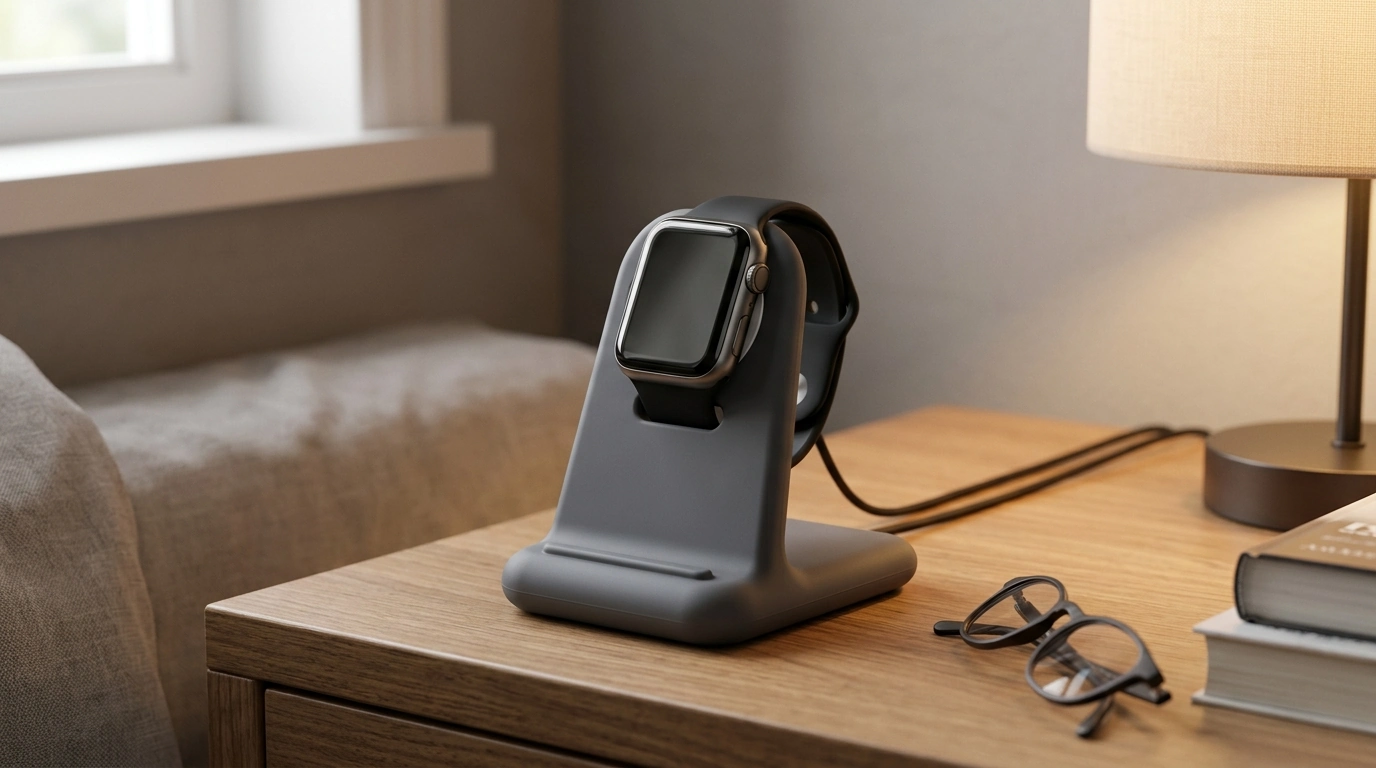
To support the habit day to day, a few simple environment upgrades can help reduce friction: a comfortable setup for listening while working or journaling with a steadier posture (like the Silver Aluminum Laptop Stand), or a wearable-friendly option to make your “play track” moment feel seamless (like Silicone Cases and Adjustable Nylon Strap for Apple Watch). If you use an Ultra model and want added protection during walking practices, consider the Luxury 316L Stainless Steel Protective Case for Apple Watch Ultra 2 49mm.
FAQ
How often should guided meditations for self-love be done to notice a difference?
A realistic baseline is 5–10 minutes most days for 2–3 weeks. Consistency matters more than length, and on hard days a “minimum viable” version (2 minutes of breathing plus one supportive phrase) still keeps the habit alive.
What if affirmations make frustration or resistance stronger?
Dial the wording back to something believable (for example, “I’m learning to be kinder to myself”) and pair it with slow breathing or a hand on the chest to add a calming body cue. If resistance persists, treat it as information to slow down and adjust—not a reason to quit.
Can mindfulness help with confidence even if anxiety doesn’t go away?
Yes—confidence often looks like steadiness and willingness to act with anxiety present. Simple anchors like feeling your feet, noticing one sound, and taking one longer exhale can help you stay present long enough to choose your next step.










Leave a comment